7th Grade Science
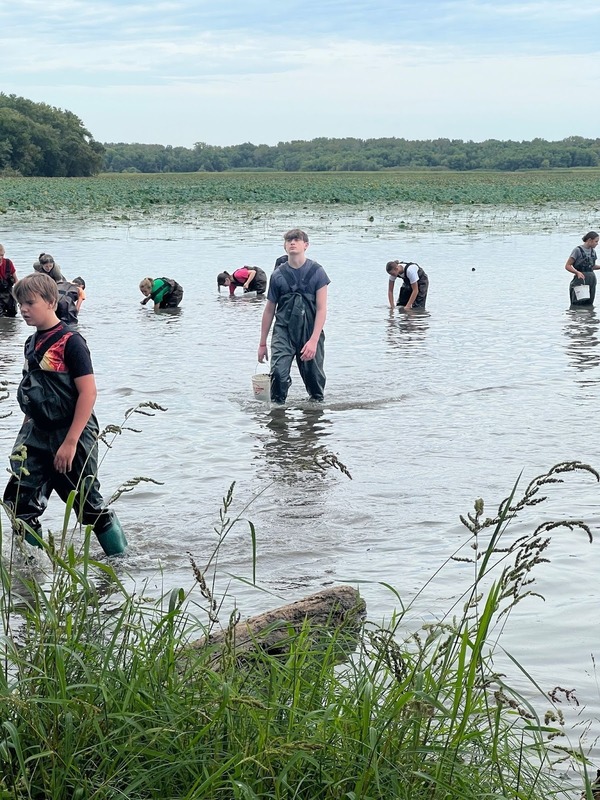
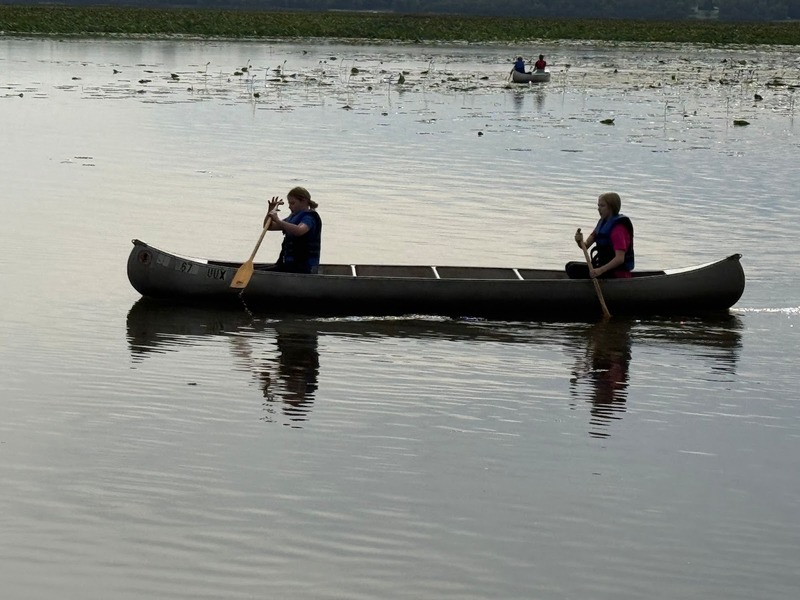
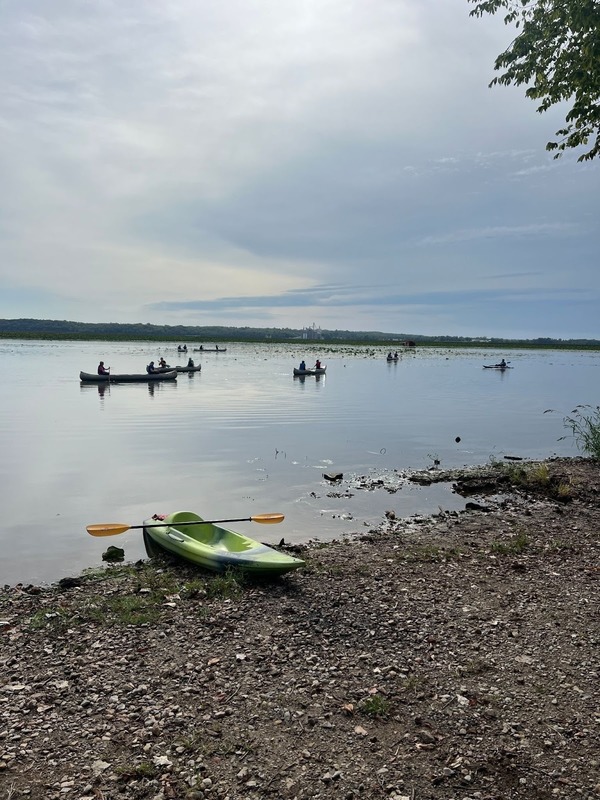
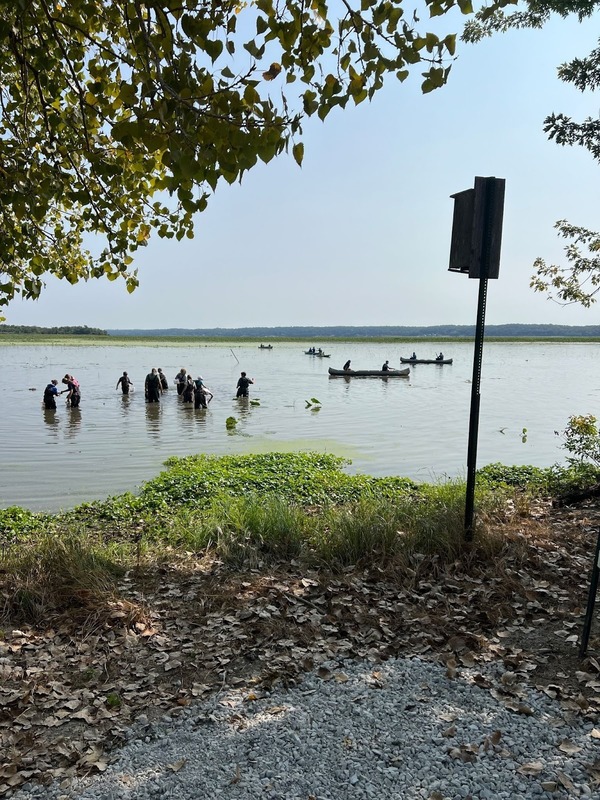
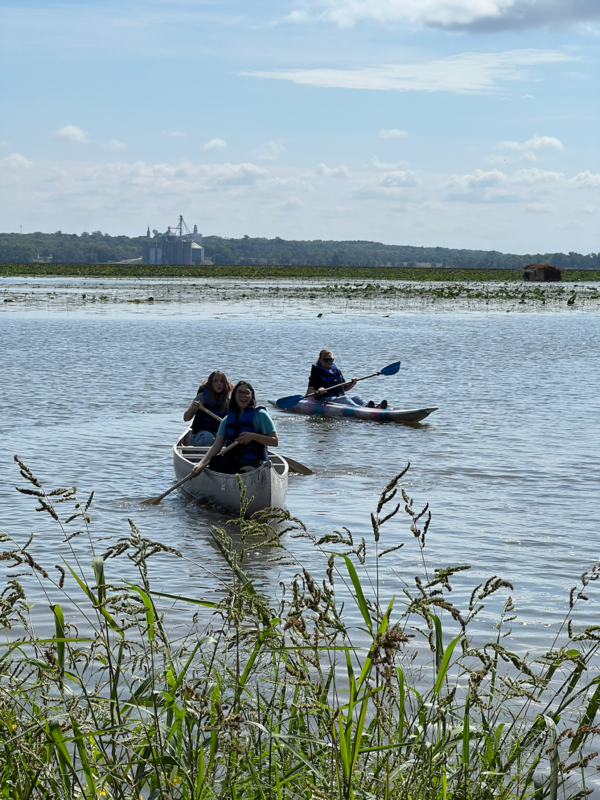
Seventh grade science had a fantastic start to the year! Students visited the Lee County Conservation Center, where they explored ecosystems through a variety of activities. The day was packed with hands-on learning. Students canoed on the Mississippi River, tested water quality in a lab setting, and reinforced concepts through videos and Blooket. They also explored the pond ecosystem by catching living creatures with nets and wading into the river to collect mussels hidden beneath the surface.
It’s amazing to see students connect real-world experiences to what we’re learning in class, especially when it gets them excited to explore the outdoors with their classmates!
8th Grade Science
Anatomy and Physiology
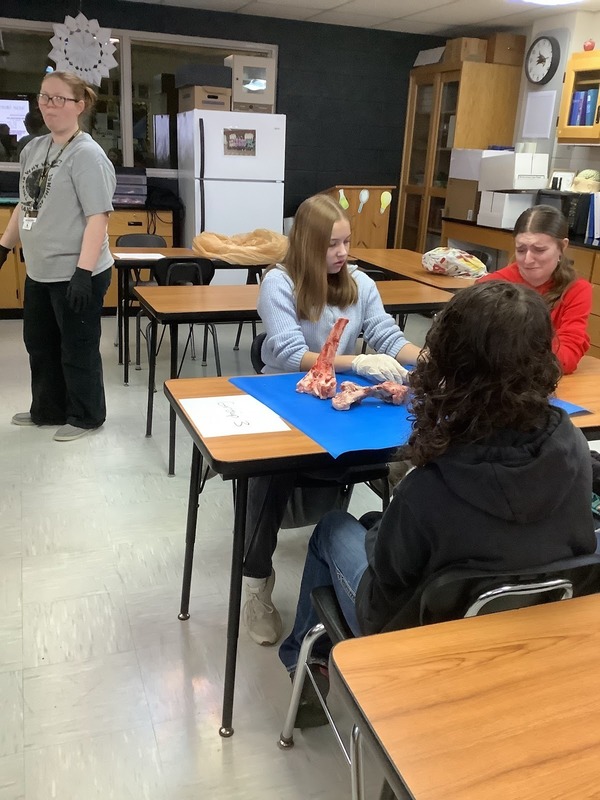
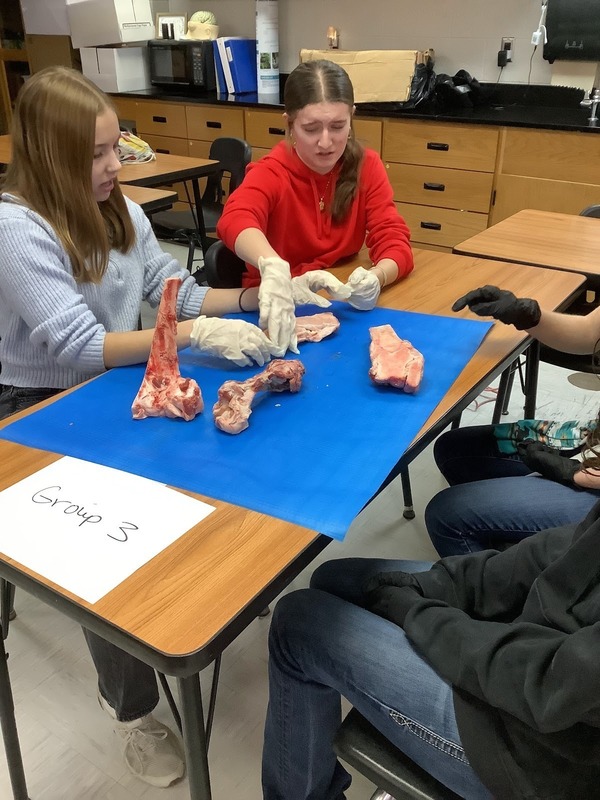
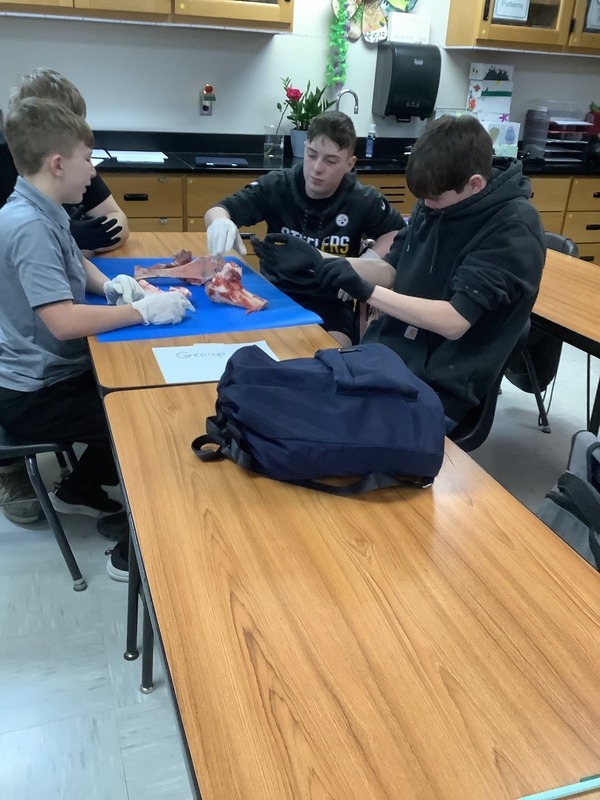
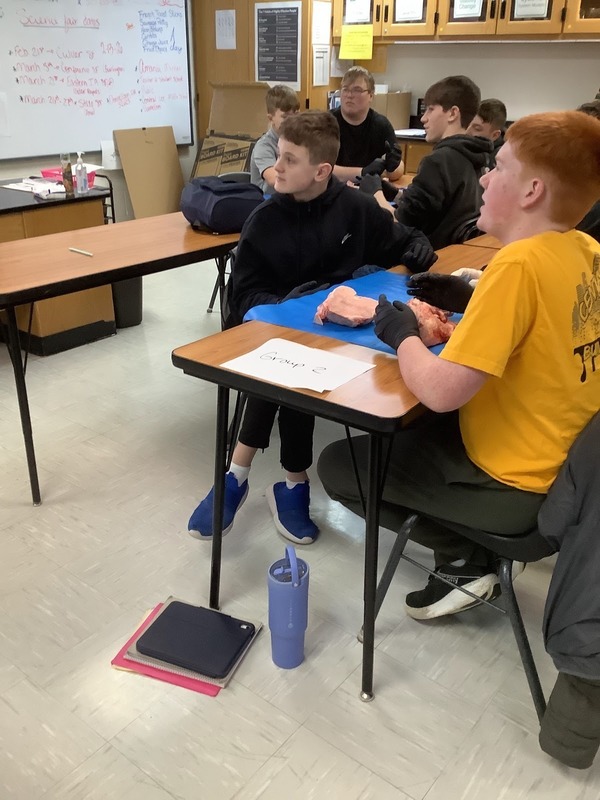
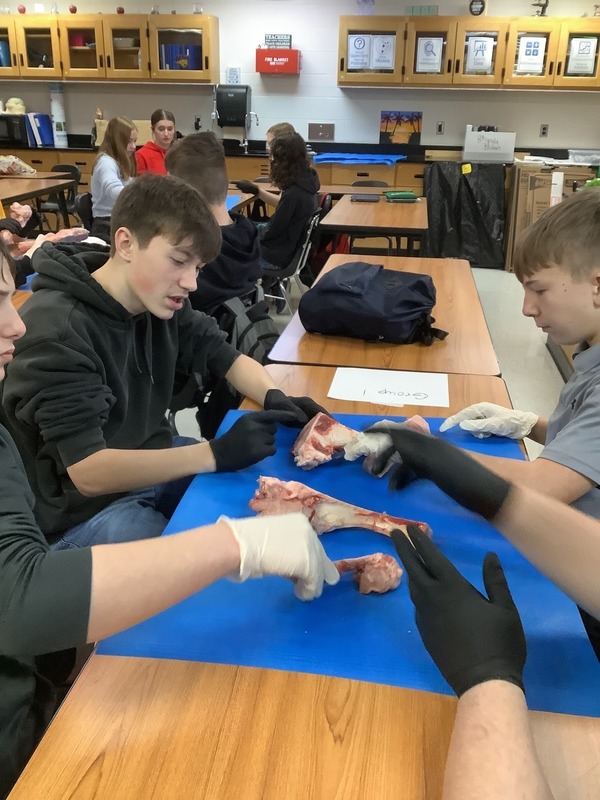
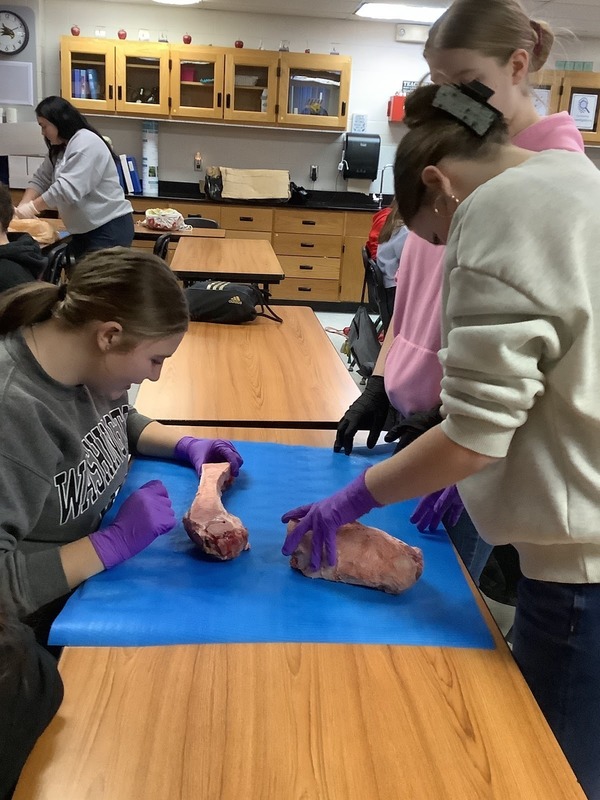
The 8th grade science students recently wrapped up their Anatomy and Physiology unit with an unforgettable hands-on experience. After studying the structure and function of bones, students had the opportunity to closely examine a real femur. They were able to observe its size, texture, and even smell, making the learning experience truly authentic.
Students identified key parts of the bone, including the compact bone, spongy bone, marrow cavity, and epiphysis and diaphysis regions. Seeing the internal structure firsthand allowed them to connect classroom concepts to real-world anatomy in a powerful way. The excitement and curiosity in the room were evident as students explored, asked questions, and deepened their understanding of how our skeletal system supports and protects the body.
It was a memorable way to bring Anatomy and Physiology to life!
Newton’s Laws
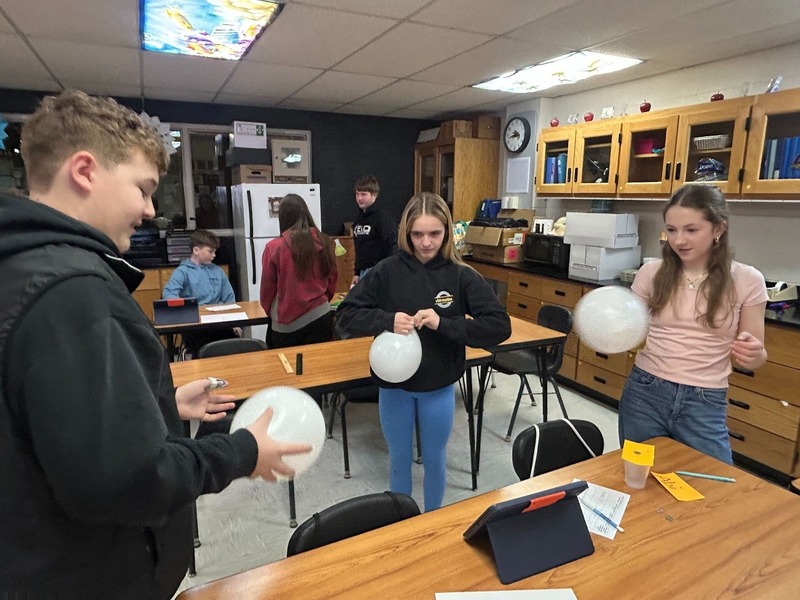
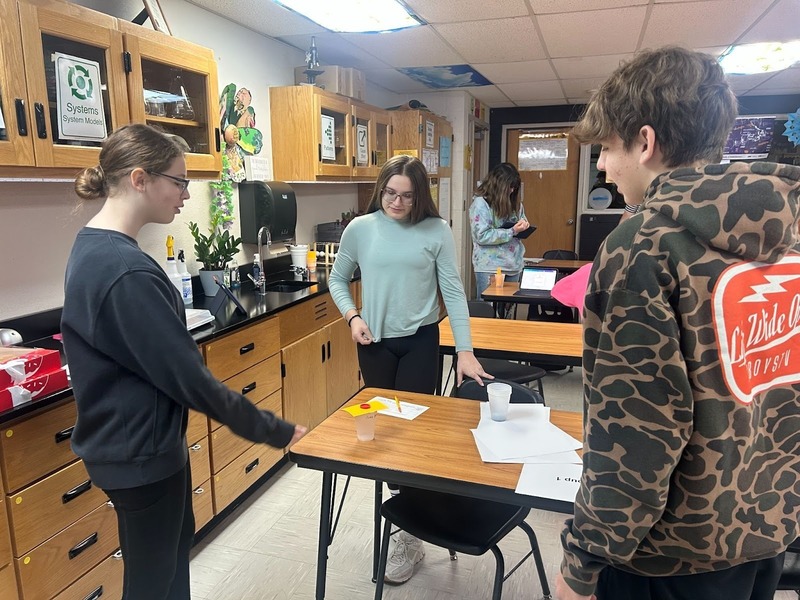
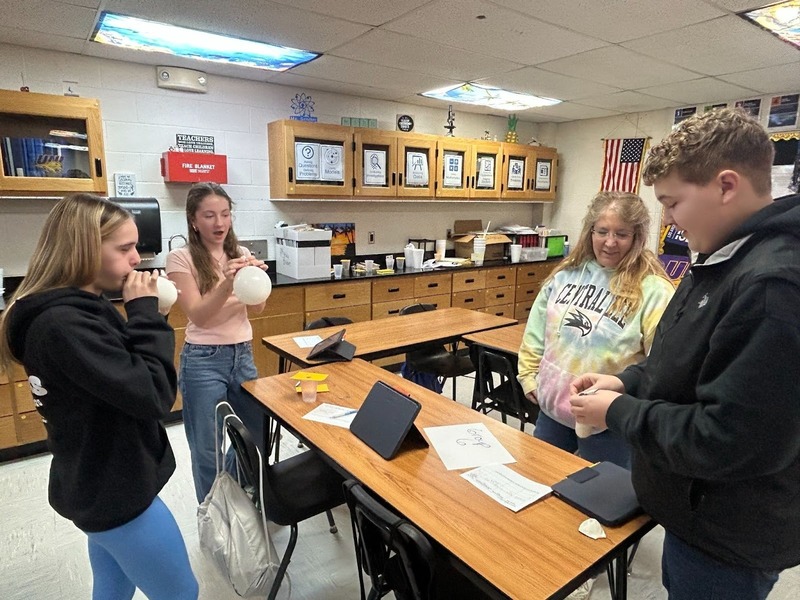
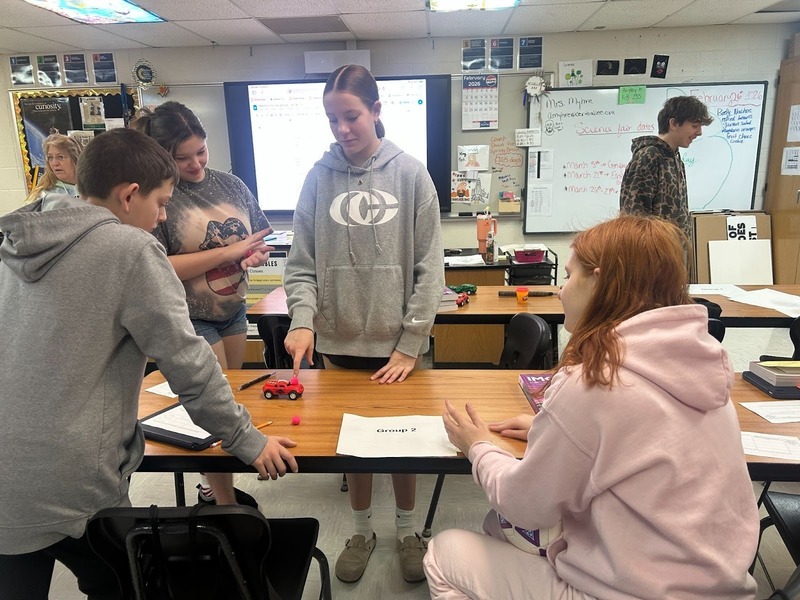
Students recently stepped into the role of teacher as they presented lessons on Newton’s First Law of Motion. Each group created and demonstrated an activity that clearly showed how an object at rest stays at rest and an object in motion stays in motion unless acted upon by an unbalanced force.
Not only did students explain the science behind their demonstration, but they also had their classmates actively participate in the activity. This allowed everyone to see inertia in action and connect the concept to real-world examples.
By teaching the lesson themselves, students deepened their understanding of Newton’s First Law while building confidence, collaboration, and communication skills. It was exciting to watch them take ownership of their learning and truly experience physics in motion!
Science Fair Update
Our students have been hard at work presenting and celebrating their science fair projects! After weeks of researching, experimenting, and analyzing data, they proudly shared their findings both in class and at competition events.
Students competed in the Central Lee Middle School Science Fair as well as the Culver-Stockton College Science Fair, showcasing their creativity, critical thinking, and problem-solving skills. From innovative engineering designs to detailed scientific investigations, their projects reflected dedication and perseverance.
We are incredibly proud of the confidence and professionalism that students demonstrated while presenting to judges and community members. Their hard work truly paid off, and they represented our school with excellence!
Upcoming Science Fair dates:
Conference Science Fair at Burlington SCC → Thursday, March 5th
EISEF Science Fair in Cedar Rapids → Saturday, March 21st
State Science Fair in Ames → Thursday and Friday, March 26th and 27th
Central Lee Middle School Science Fair Participants
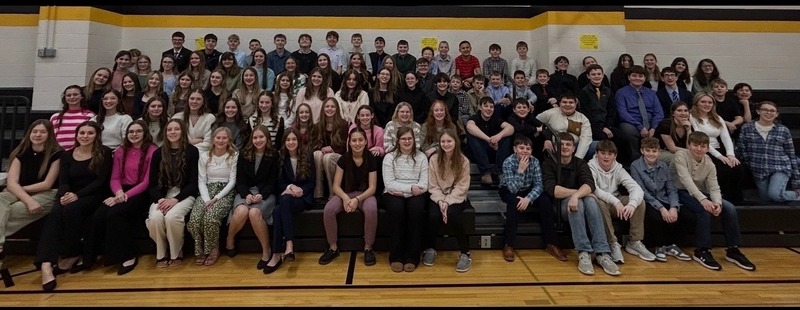
Culver-Stockton Science Fair Participants
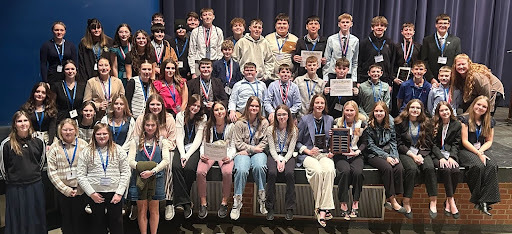
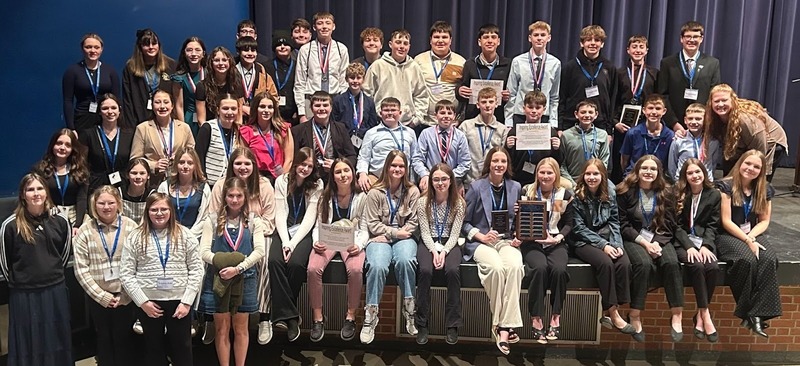
Central Lee Middle School was awarded the Middle School Outstanding Chapter Award
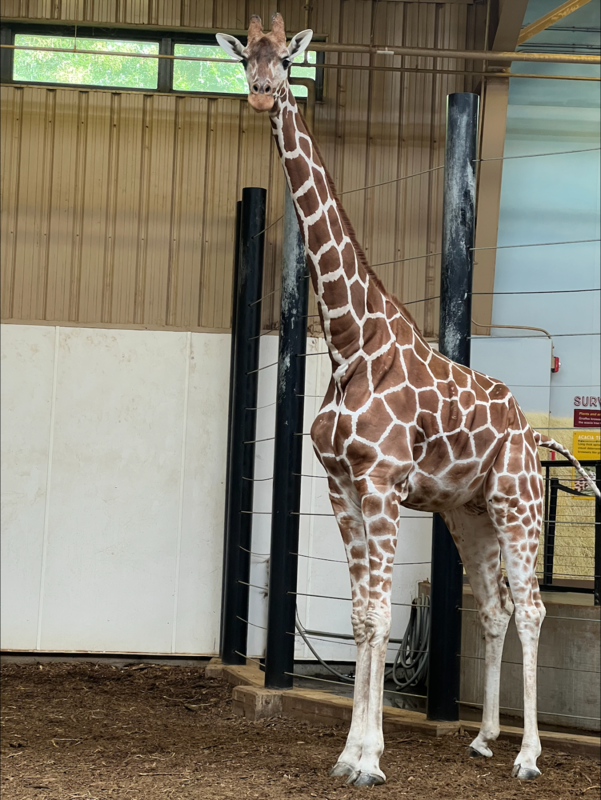
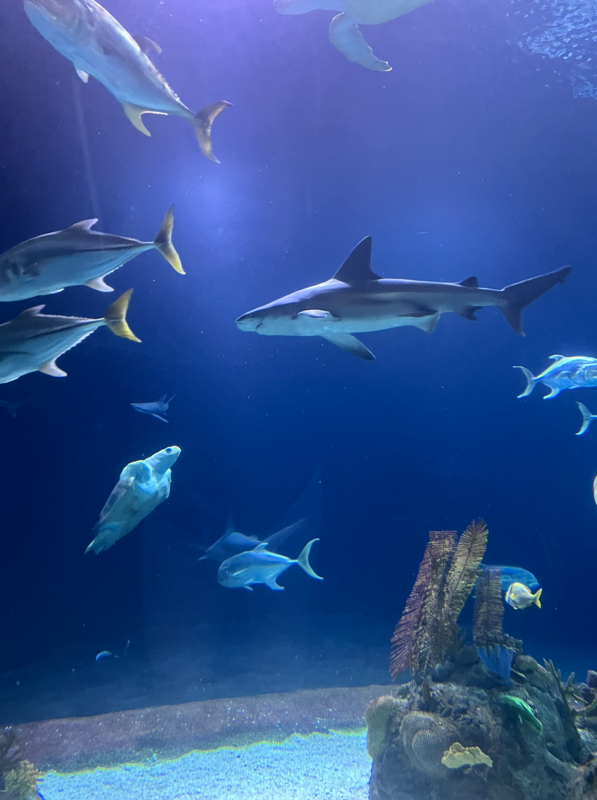
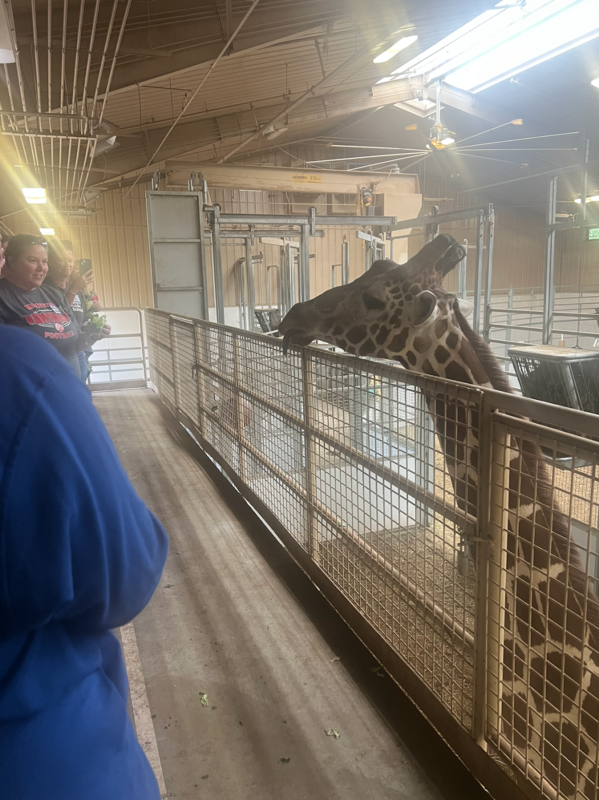
Central Lee also offers incredible professional learning opportunities for teachers and staff. One recent workshop included a trip to Omaha's Henry Doorly Zoo and Aquarium in Omaha, Nebraska, where teachers attended a conference and gathered ideas to bring back to their science classrooms.
During the session, educators were encouraged to take learning outdoors and incorporate student journaling to deepen understanding. This includes making observations and connecting real-world examples from nature to classroom instruction. Teachers also explored ways to use systems and models to teach scientific concepts that students cannot easily see, such as cells, atoms, and molecules involved in chemical reactions.
In addition to the conference, teachers had the opportunity to explore the zoo and learn from trained professionals about animal habitats and conservation efforts. It was an engaging and valuable experience for everyone involved.